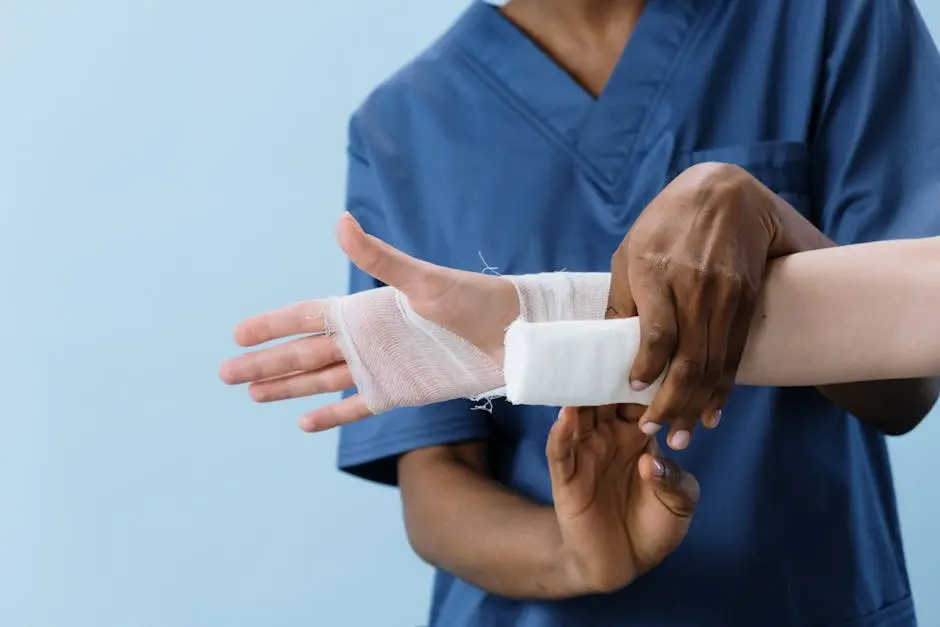
Lacerations can happen in the blink of an eye, and understanding how they’re handled at urgent care can ease your mind in a stressful situation. Here are ten essential things to know about laceration repair that will help you feel more informed and prepared.
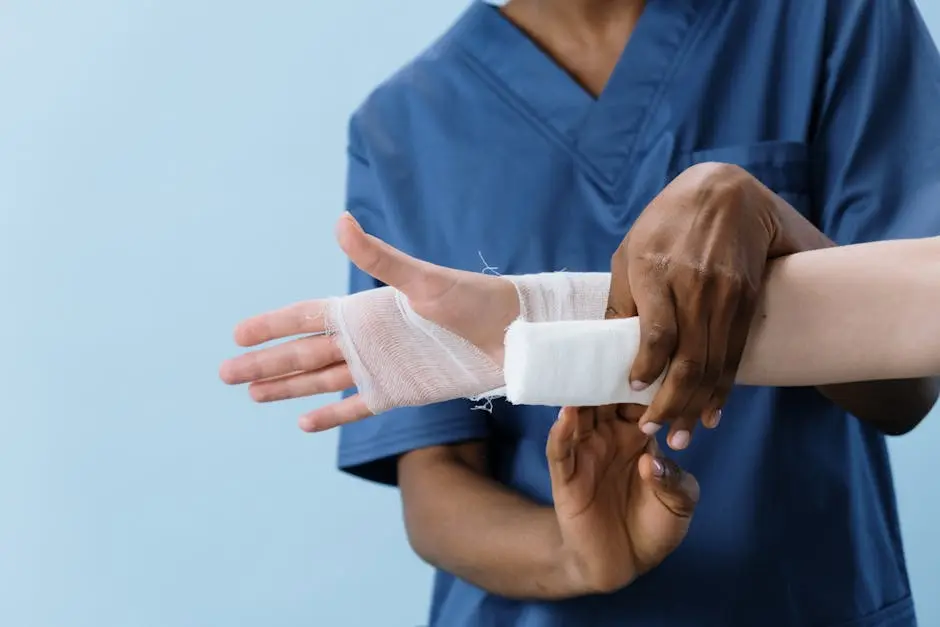
1. Understanding Lacerations and Their Severity
Lacerations can vary greatly in depth and severity. Knowing what constitutes a minor cut versus a more serious laceration helps you determine when to seek medical attention.
A superficial cut might only require basic first aid, while a deeper laceration could need surgical intervention. This distinction is crucial. For instance, lacerations that are longer than half an inch or that involve the deeper layers of skin may necessitate professional cleaning and closure to prevent complications.
Additionally, the location of the laceration also plays a significant role in its treatment. Cuts on areas with high movement, such as joints, may need particular consideration to ensure proper healing. All these factors underscore the importance of understanding not only the injury itself but also the context in which it occurs.
2. What to Expect During Your Visit
When you arrive at urgent care, you can expect an assessment of your injury, a thorough examination, and a discussion about the best treatment options for your laceration. Typically, you will be asked questions about how the injury occurred, any underlying medical conditions, and whether you’re up to date on your tetanus shots.
After your preliminary evaluation, the healthcare provider may clean the wound. This step is essential, as it reduces the risk of infection. Depending on the extent of your laceration, you may be given local anesthesia for comfort before further treatment such as stitches or adhesive closure is performed.
3. The Importance of Timely Treatment
Getting prompt care for your laceration is crucial. Delaying treatment can lead to complications such as infections or improper healing. An untreated laceration can quickly turn from a minor inconvenience into a significant health issue.
For instance, if you wait too long and bacteria enter the wound, you risk developing an infection that could lead to further medical complications. Therefore, if you find yourself with a laceration, don’t hesitate to visit an urgent care facility—your health and safety depend on it!
4. Common Techniques Used in Laceration Repair
Urgent care facilities often use various techniques for laceration repair, including stitches, staples, and adhesive strips. Each method has its own advantages depending on the nature of the wound. Stitches, for instance, are generally best for deeper cuts, while adhesive strips can be effective for less severe lacerations.
It’s also worth noting the choice of technique can affect your healing process. Some methods may leave more noticeable scars than others, so it’s helpful to discuss these options with your healthcare provider. Understanding what method is being used helps demystify the process, allowing you to feel more at ease.
5. Pain Management During the Procedure
Laceration repair can be uncomfortable, but many facilities provide options for pain management to ensure that you remain as comfortable as possible throughout the process. Often, local anesthesia is administered to numb the area before the repair begins.
Some clinics may also offer additional sedation options, depending on the complexity of your laceration. It’s essential to communicate your pain tolerance and discuss any concerns you may have about the procedure beforehand. This dialogue can help tailor the experience to best fit your needs.
6. Understanding the Aftercare Process
Proper aftercare is essential for healing. This may include cleaning the wound, keeping it dry, and monitoring for signs of infection. After your laceration repair, you will receive specific instructions tailored to your situation.
It’s important to follow these guidelines closely. Failure to do so can lead to complications. For example, keeping the area clean reduces infection risk and aids in faster recovery. Signs of healthy healing include a decrease in pain and redness, while persistent swelling or discharge may signal that something is amiss.
7. Signs of Complications to Watch For
Knowing the signs of complications like infection, excessive bleeding, or poor healing can help you take swift action if something goes wrong. Common signs of infection include increased redness, warmth, swelling, or discharge from the wound site.
If you notice any of these symptoms, it’s crucial to seek medical advice promptly. Early intervention can make all the difference in preventing the situation from worsening.
8. When to Seek Further Medical Attention
In some cases, you might need to follow up with a specialist or your primary care physician if your laceration does not heal properly or if you experience significant discomfort. It’s always best to err on the side of caution.
Understand that while urgent care is equipped to handle many lacerations, some may require specialized attention. If you’re ever in doubt about the healing process, reach out for help; your health is worth it!
9. Tips for Preventing Future Lacerations
While you can’t prevent every accident, being aware of safety measures and protective gear can help reduce the risk of future lacerations. For example, when engaging in activities that pose a higher risk, such as cooking or using tools, consider wearing protective gloves.
Additionally, keeping your living spaces free of hazards can significantly lower your risk of lacerations. Small changes can yield big results—taking the time to eliminate clutter and organize tools can prevent accidents before they happen.
10. Empower Yourself with Knowledge
Educating yourself about laceration care can not only ease your fears but also prepare you for making informed decisions regarding your health and wellness. Knowledge is empowering, and being aware of what constitutes proper care helps you navigate post-injury scenarios confidently.
Whether through blogs, videos, or consultations with healthcare providers, the more you learn, the more capable you become in preventing and addressing lacerations effectively. Embrace this knowledge and use it to foster a sense of security in your health journey.
Get Care When You Need It
Urgent Care Pros® is here to help.
👉 Book an appointment online: https://urcarepros.com/appointments/
👉 Find a location near you: https://urcarepros.com/locations/
Fast, compassionate care—right when you need it most.