Navigating a health assessment can feel daunting, but it doesn’t have to be. With the right tips, you can make the experience as smooth and stress-free as possible. In this article, we’ll walk you through some friendly and practical advice to help you prepare and succeed in your health assessment journey.
1. Understand What to Expect
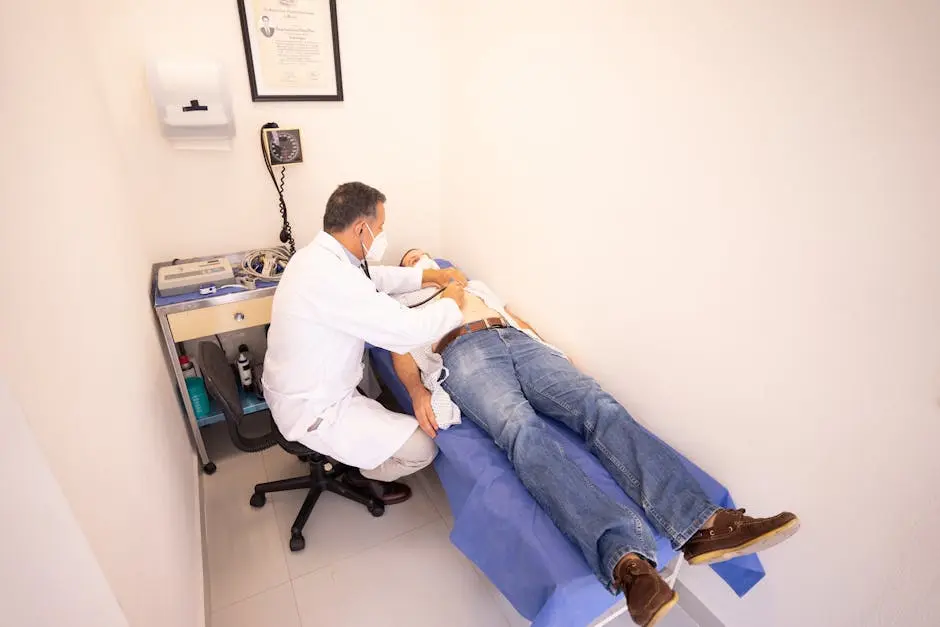
Familiarize yourself with the process and what will happen during the assessment. Understanding the specific steps helps alleviate anxiety and allows you to feel more in control. Assessments often start with a discussion of your medical history, followed by physical examinations, lab tests, and sometimes even lifestyle evaluations. If you know what’s coming, you can mentally prepare yourself, which significantly diminishes nervousness. Remember, many people share the same concerns, and these assessments are designed to help you.
Finally, consider reaching out to others who have recently gone through similar assessments. Hearing about their experiences can provide insights and tips that you might not find elsewhere. Connecting with peers can bolster your confidence, transforming the unknown into a familiar process. This way, when the day arrives, instead of fear, you’ll feel informed and ready!
2. Gather Necessary Documents
Ensure you have all your relevant medical records, identification, and insurance information ready beforehand to streamline your visit. Making a checklist can be incredibly beneficial here. Jot down everything you need to bring—like your previous test results, medication lists, and any health insurance details. With all these documents in hand, you can avoid unnecessary delays during your appointment. This preparation can make a significant difference in how smoothly your assessment goes.
Additionally, don’t forget about personal items that might help you feel comfortable, like your favorite book or music. These items can serve as a distraction as you wait for your turn. In the end, being organized pays off both in saving time and easing your mind.
3. List Your Health Concerns
Before the day of the assessment, take some time to jot down any health concerns or symptoms you want to discuss. This proactive approach enables focused conversations and ensures that you don’t forget anything important during your appointment. It might be helpful to categorize your concerns. For instance, separate them into sections like physical symptoms, mental health, or lifestyle issues. This clarity can enrich your discussion with the healthcare provider.
Moreover, you could even rate these concerns by priority; this way, you can ensure that the most important issues are addressed first. This organization will enhance your assessment quality, providing a clear path for your healthcare provider to follow during the conversation.
4. Prepare Questions for Your Provider
Think of any questions you might have regarding your health, treatments, or lifestyle changes you should consider. Don’t hesitate to ask! Being prepared with questions not only shows that you are engaged in your health but also allows you to obtain the information necessary for making informed decisions. Perhaps you’re curious about recent health trends or specific medications. Whatever it is, articulating your questions clearly will help your provider address them effectively.
Furthermore, it could be beneficial to practice voicing these questions ahead of time. The role-play approach helps to decrease anxiety when it comes time to ask them. This preparation ensures you won’t miss out on crucial information that could assist you in your health journey.
5. Dress Comfortably
Wear comfortable clothing that allows for easy movement, especially if you’ll undergo physical exams. This can help you feel more at ease during the assessment. Think about your wardrobe and choose attire that merges comfort and practicality—loose trousers and a simple shirt often do the trick. Wearing layered clothing can also be a good idea since healthcare settings can fluctuate between extremes of cold and warmth.
Additionally, don’t forget about your footwear. Shoes that are easy to slip on and off can save you time and hassle during examinations. Dressing appropriately may not seem like a big deal, but it significantly adds to your overall comfort and confidence during the assessment.
6. Arrive Early
Arriving early gives you ample time to complete any necessary paperwork and mentally prepare for the assessment. Besides, getting there ahead of time can alleviate the stress of rushing, and you might even have chance to observe the environment, allowing you to become familiar with your surroundings.
Consider this additional time an opportunity to breathe deeply and gather your thoughts. You could even review your prepared list of concerns and questions one last time, further ensuring that you are ready to engage in meaningful conversations when your name is called.
– Practice Relaxation Techniques
Implementing deep breathing or meditation can calm your nerves before and during the assessment, making the experience more manageable. A simple technique is to take a deep breath in through your nose, hold it for a few seconds, and then gently exhale through your mouth. Repeat this a few times as you wait, and you’ll likely feel more grounded.
Moreover, envisioning a positive outcome for your assessment can shift your mindset. Picture yourself walking out of the appointment with clarity and understanding—this visualization can create a powerful sense of calm that may transform your approach to the assessment.
– Be Honest and Open
Honesty is crucial during your health assessment. Sharing complete information allows your provider to give you the best care possible. Remember, everything you disclose remains confidential, creating a safe space for open dialogue. Whether discussing sensitive topics or everyday concerns, don’t hold back. The healthcare provider is there to assist you, and the more they know, the better they can tailor their recommendations.
If you feel uncomfortable discussing a particular issue, let your provider know. Most have training to handle sensitive subjects with care, so your healthcare experience can remain respectful and constructive.
– Follow Up on Recommendations
After the assessment, be sure to follow up on any recommendations or referrals to get the most comprehensive care for your health. Sometimes, providers may suggest additional testing, follow-up appointments, or lifestyle adjustments. Taking prompt action on these recommendations not only aids in your health journey but shows your commitment to making meaningful changes.
It can be beneficial to create a health action plan. This document can serve as a roadmap of what you need to accomplish moving forward—whether it’s scheduling another visit, adhering to a new medication routine, or implementing dietary changes. This proactive approach will empower you to take charge of your health.
10. Stay Positive and Open-Minded
Approach the assessment with a positive attitude and an open mind. This perspective can influence the quality of care you receive. Not only does maintaining an optimistic outlook allow for a smoother experience, but it also opens you up to various ideas and suggestions that your provider may offer. Even if some recommendations may be outside your comfort zone, staying receptive can lead to excellent health outcomes.
It’s essential to remember that your provider wants what’s best for you. A collaborative, positive mindset can create an environment where effective problem-solving occurs, ultimately leading to a better understanding of your health and wellness.
Get Care When You Need It
Urgent Care Pros® is here to help.
👉 Book an appointment online: https://urcarepros.com/appointments/
👉 Find a location near you: https://urcarepros.com/locations/
Fast, compassionate care—right when you need it most.