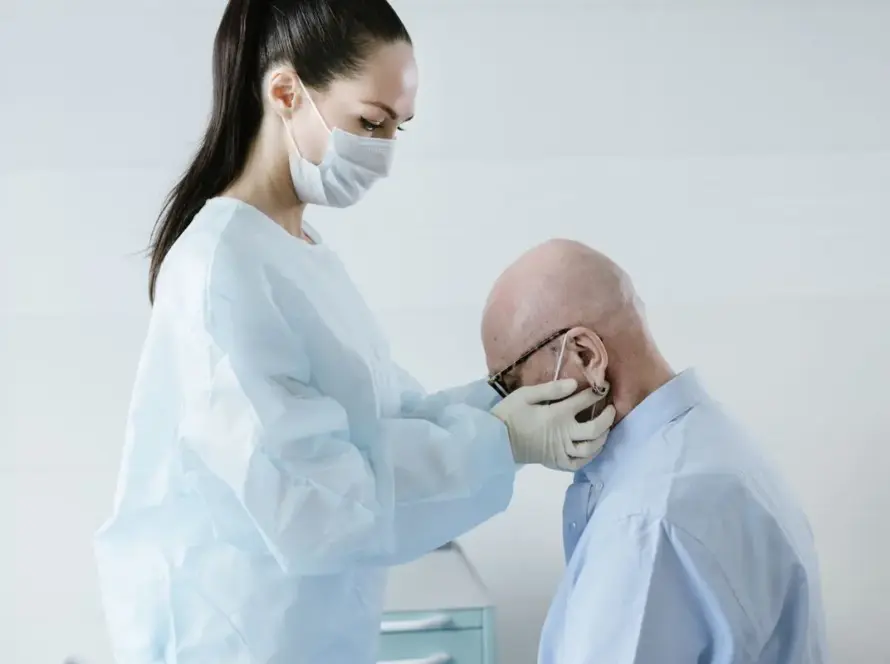
Lacerations can happen unexpectedly, leaving us unsure about how to treat them effectively. Understanding the process of laceration repair can not only speed up healing but also prevent complications. In this blog, we will break down the essential aspects of laceration repair, offering tips and insights that keep healing on track.
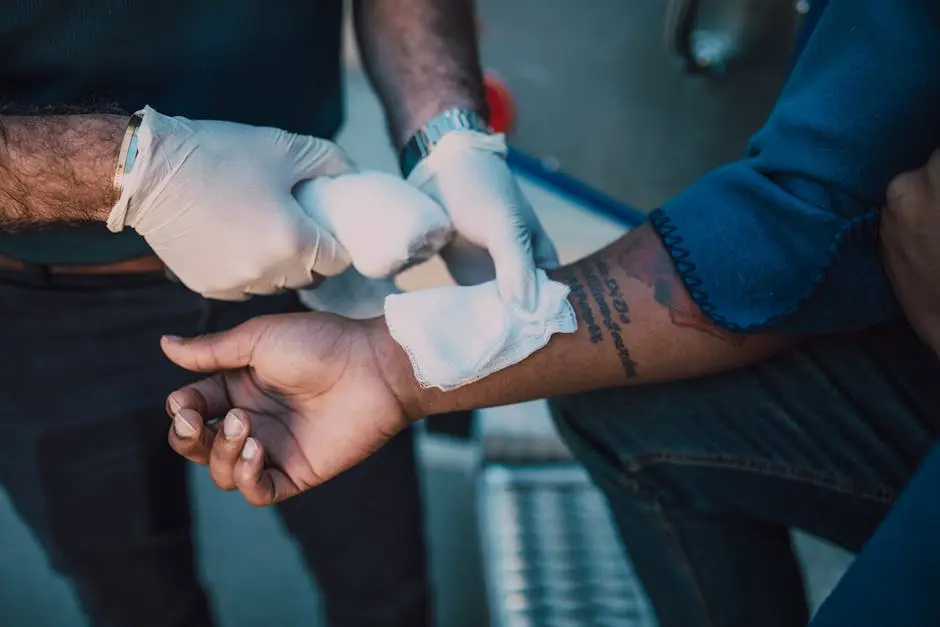
What is a Laceration?
A laceration is a tear or cut in the skin that can vary in depth, length, and severity. Understanding what constitutes a laceration is essential in determining the right approach for treatment.
Often mistaken for minor scrapes, lacerations can be much more serious. They may involve damage to not just the skin, but also the underlying tissues, muscles, and even nerves, depending on the severity of the injury. Recognizing the signs of laceration can empower individuals to take immediate action, getting the appropriate care that is necessary.
Types of Lacerations and Their Characteristics
Lacerations can be categorized into different types based on their cause and depth, such as superficial, deep, and puncture wounds. Knowing these types can help in assessing the need for medical attention.
Superficial lacerations, while painful, often heal quickly and do not usually require advanced medical intervention. In contrast, deep lacerations might lead to significant bleeding and necessitate stitches. It’s interesting how each type has its own set of healing requirements, with specific care tailored to ensure a smooth recovery.
Puncture wounds, typically caused by sharp objects, can present hidden dangers as well. They may appear small but can penetrate deeply into tissues, sometimes carrying bacteria into the body. Understanding these nuances not only broadens our knowledge but also prepares us for better decision-making when treating lacerations.
When to Seek Medical Attention
Not all lacerations require a doctor’s visit, but certain signs should prompt you to seek professional help. We’ll cover the indicators that suggest immediate care is necessary.
If a laceration is deep, gaping, or does not stop bleeding after a few minutes of applying pressure, these are clear signals to call a healthcare provider. Additionally, if the wound shows signs of infection—like increased redness, warmth, or discharge—it’s crucial to get checked out.
Another vital point is the management of certain locations where lacerations occur. For example, cuts on the face or joints may require more skilled attention due to the potential for scarring or mobility issues. Listening to your body is a key part of knowing when to reach out for help.
At-Home Care for Minor Lacerations
For minor lacerations, proper at-home care can promote healing and reduce the risk of infection. This section will provide a step-by-step guide on how to clean and bandage a laceration correctly.
Start by washing your hands and ensuring that everything you will need is clean. Rinse the laceration under cool running water to remove any debris. Avoid using strong disinfectants directly on the wound; a gentle soap around the area is often sufficient. After cleaning, applying an antibiotic ointment can help prevent infection.
Next, cover the laceration with an appropriate dressing—this could be a gauze pad secured with tape or a specialized adhesive bandage. Be cautious to change the bandage once or twice a day, or whenever it gets wet. Keeping the wound clean and covered is a simple yet powerful way to support the healing process.
The Role of Stitches and Staples in Repair
In more severe cases, stitches or staples may be needed for repair. We will discuss how these methods work and what to expect during the healing process.
Stitches, or sutures, help to bring the skin edges together, allowing for proper healing and minimizing scarring. The type of stitch used may vary depending on where the injury is located; some are absorbable while others need to be removed after a certain time. It’s important to follow your healthcare provider’s instructions to ensure the best outcome.
Staples can be a quicker option for larger lacerations, particularly those on the scalp or other areas with thick tissue. Both methods might cause some discomfort, but a healthcare professional will typically manage that during the procedure. Knowing what to expect can alleviate some anxiety if a visit to the doctor becomes necessary.
Avoiding Complications During Healing
While healing, it’s important to know how to avoid complications like infection or delayed healing. Here are some practical tips to ensure a smooth recovery.
First, adhere strictly to cleanliness—keeping the wound clean and protected is imperative. Avoid activities that may strain the area or increase friction around the laceration, as this can disrupt the healing process. Keeping the area dry is also essential, particularly after cleaning.
Another critical aspect is nutrition; consuming a balanced diet rich in vitamins A and C can enhance the body’s natural repair processes. Staying hydrated is equally important, as it supports overall health and resilience, aiding the skin in healing more effectively.
Signs of Infection to Watch For
Recognizing the signs of infection is vital for a quick recovery. We’ll outline what to look for and when to seek help if symptoms arise.
Key indicators of infection may include increased redness surrounding the laceration, warmth, and swelling. If you notice pus or a foul odor coming from the wound, it’s important to act quickly and consult a healthcare professional. These signs are your body’s way of communicating that something is not right and needs attention.
Additionally, if you start to experience fever, chills, or increased pain in the area, these symptoms may indicate a systemic infection. Don’t hesitate to reach out to a healthcare provider if you observe any of these warning signs; timely intervention can greatly enhance recovery and prevent further complications.
Final Thoughts on Laceration Healing
In summary, understanding laceration repair is crucial for effective healing. By recognizing the different types of lacerations, knowing when to seek professional help, and following proper care techniques, you can ensure a smoother and quicker recovery. Remember, taking the right steps from the beginning can make all the difference in your healing journey. Come visit us to any of our 3 Locations at Urgent Care Pros
Get Care When You Need It
Urgent Care Pros® is here to help.
👉 Book an appointment online: https://urcarepros.com/appointments/
👉 Find a location near you: https://urcarepros.com/locations/
Fast, compassionate care—right when you need it most.