At Urgent Care Pros®, we go beyond urgent care by providing comprehensive occupational health services tailored for companies, municipalities, and organizations of all sizes. Because workplace health and safety are top priorities, our clinics are fully equipped to handle a wide range of job-related medical needs.
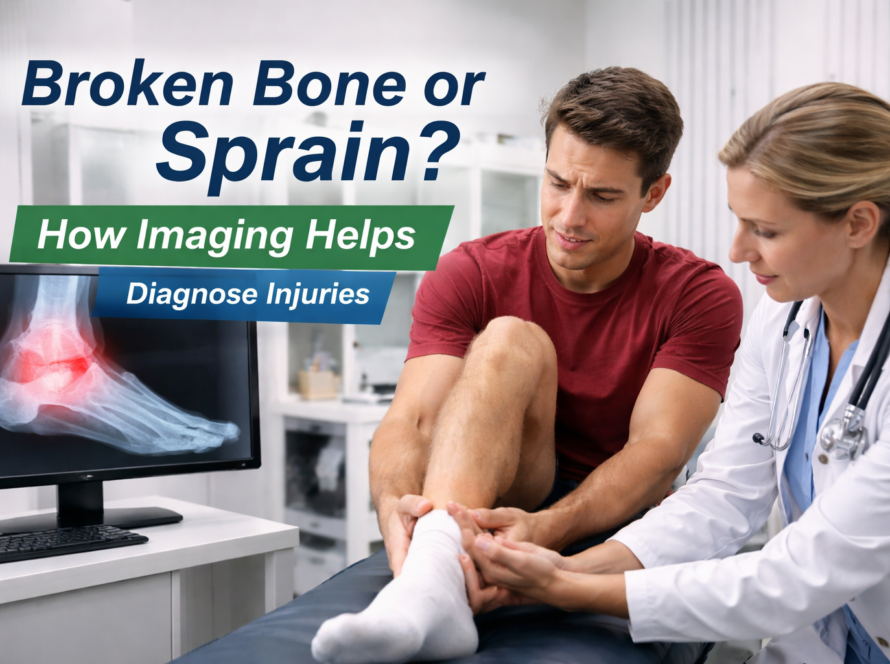
To begin with, we specialize in the treatment of workplace injuries such as lacerations, sprains, broken bones, and job site accidents. In addition, our on-site X-ray services and advanced wound care ensure that employees receive fast and accurate treatment, minimizing downtime and helping them return to work safely.
Occupational medicine is a fascinating field that focuses on the health and safety of workers. It combines aspects of medicine, safety, and public health to ensure that employees can work in environments that promote their well-being. Whether you’re a professional in the industry or simply curious, here are fifteen key facts about occupational medicine that will enlighten you.

1. The Foundation of Worker Health
Occupational medicine is built on the principles of preventive care, focusing on maintaining the health of employees in various work settings.
Preventive care is vital because it aims to stop health issues before they start. This approach not only improves the quality of life for workers but can also lead to reduced healthcare costs for employers.
By keeping a close eye on the health metrics of employees, occupational medicine allows organizations to identify potential hazards early on, fostering an environment where health is prioritized.
2. Historical Roots in Labor Health
The field has evolved from early labor movements that highlighted the impact of industrial activities on worker health. As factories grew and working conditions became more hazardous, demands for better health standards gained traction.
Historically, the focus was primarily on physical injuries, but as awareness progressed, mental health and stress management began to take center stage. This shift has been crucial in ensuring a holistic approach to worker welfare.
3. Role of Occupational Physicians
These specialized doctors address health issues that affect workers, conduct health assessments, and provide guidance on workplace safety.
Occupational physicians also play a crucial role in crisis management by helping to develop protocols for handling workplace emergencies, ensuring that both immediate and long-term health concerns are addressed.
4. Common Workplace Hazards
Occupational medicine focuses on preventing exposure to physical, chemical, biological, and ergonomic hazards found in various work environments.
It’s essential for workers and employers to recognize these hazards because even small issues can escalate into serious health problems. From repetitive strain injuries to exposure to harmful chemicals, awareness and preventive measures can significantly reduce risk.
By understanding the common hazards associated with specific jobs, organizations can implement more effective safety protocols, protecting their workforce and enhancing overall productivity.
5. The Importance of Health Screenings
Routine health screenings help in early identification of health issues, ensuring timely medical interventions for workers.
These screenings are not just beneficial for management; they empower employees by providing insight into their own health, giving them the information needed to make proactive decisions.
6. Mental Health in the Workplace
Occupational medicine also addresses mental health, recognizing that psychological well-being is vital for overall employee health.
A lack of mental health support can lead to decreased productivity, increased absenteeism, and higher turnover rates. By prioritizing mental wellness, companies can cultivate a more engaged and satisfied workforce.
Employers are increasingly implementing programs that focus on strengthening mental health resources, ensuring that employees have access to counseling and stress management tools.
7. Occupational Safety and Health Administration
OSHA sets and enforces standards to ensure safe and healthy working conditions across various industries in the U.S.
This regulatory body plays a crucial role in shaping workplace safety protocols, reinforcing the notion that worker health is a fundamental right, not a privilege.
8. The Impact of Technology
Advancements in technology have transformed workplace safety protocols and monitoring, making it easier to manage health risks.
From wearables that track health data to sophisticated software that monitors workplace conditions, technology has become an invaluable ally in the field of occupational medicine.
9. Workers’ Compensation Benefits
Understanding how to navigate workers’ compensation can help employees receive necessary medical coverage for work-related injuries.
The benefits offered can vary widely from state to state, making it crucial for workers to educate themselves about their rights and the processes involved.
10. Global Perspectives
Occupational medicine practices can vary significantly around the world, influenced by cultural, legal, and economic factors.
In some countries, there are stringent regulations that enforce high safety standards, while in others, workers may face challenges due to lax enforcement or limited resources.
11. Training and Education for Employers
Education for employers on occupational health issues is crucial for creating a culture of safety in the workplace.
Workshops and training sessions can equip employers with the knowledge they need to implement effective safety measures and understand their responsibilities.
12. Workplace Wellness Programs
Implementing wellness programs can lead to healthier employees and reduce healthcare costs for organizations.
These programs often include fitness initiatives, health education, and resources for stress management, enhancing the overall employee experience.
13. The Future of Occupational Medicine
As workplaces continue to evolve, the field of occupational medicine will adapt to meet new health challenges and technologies.
Looking ahead, occupational health will increasingly integrate strategies that account for remote work, mental health, and workplace diversity, ensuring that all employees feel valued and supported.
14. Regulatory Frameworks
Various laws and regulations support occupational health initiatives, ensuring that workers’ rights are protected.
These frameworks are designed to hold employers accountable while also promoting a safe work environment that benefits both employees and organizations.
15. Promoting Work-Life Balance
An emphasis on work-life balance is becoming essential in the field of occupational medicine, recognizing the importance of personal well-being.
Employers are encouraged to create policies that allow for flexible work schedules, mental health days, and supportive environments that acknowledge personal and professional demands.
Get Care When You Need It
Urgent Care Pros® is here to help.
👉 Book an appointment online: https://urcarepros.com/appointments/
👉 Find a location near you: https://urcarepros.com/locations/
Fast, compassionate care—right when you need it most.