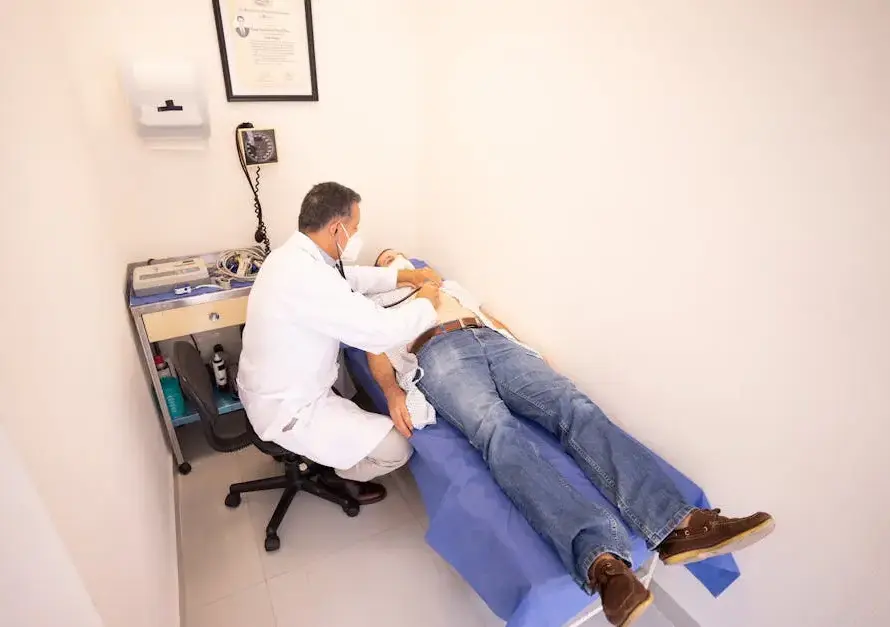
Laceration repair in urgent care settings is a common procedure that can be crucial for proper healing and recovery. Understanding the process can help patients feel more at ease and informed about their treatment options. In this blog, we’ll explore the key aspects of laceration repair, including the types of lacerations, treatment steps, and aftercare recommendations.

What is a Laceration?
A laceration is a cut or tear in the skin that can vary in severity. Understanding the difference between superficial and deep lacerations is crucial for determining appropriate treatment.
Superficial lacerations usually affect only the outer layer of the skin, resulting in minimal bleeding and often a quick healing time. They can frequently be treated at home or in urgent care without the need for stitches.
On the other hand, deeper lacerations may involve not just the skin but also underlying tissues such as muscles or nerves, making them more serious. These types of wounds often require medical attention to prevent complications.
It’s important to assess the laceration’s depth, location, and cause. Certain areas of the body, like the face or joints, may necessitate specialized care to not only ensure proper healing but also to address cosmetic concerns.
When to Seek Urgent Care?
Recognizing when a laceration requires professional care is essential. Signs to look out for include heavy bleeding, deep cuts, or signs of infection.
If you experience a laceration that won’t stop bleeding after applying pressure for 10 minutes, it’s important to seek urgent care. Prolonged bleeding can indicate that a blood vessel has been damaged.
In addition to bleeding, pay attention to the size and depth of the laceration. Cuts deeper than half an inch or those that exhibit jagged edges should be evaluated by a healthcare professional.
Furthermore, a laceration may become infected if it’s not treated promptly. Signs of infection—such as swelling, redness, warmth, or discharge—are critical indicators that it’s time to get help.
In many cases, it’s better to be safe than sorry. If you have any doubts about the severity of a laceration, err on the side of caution and visit your local urgent care.
The Laceration Repair Process
Laceration repair typically involves cleaning the wound, possibly using sutures or adhesives to close it, and applying a dressing. Understanding each step can demystify the experience.
The first step in the repair process is thorough cleaning. This often involves a saline solution or antiseptic to ensure any debris or bacteria are removed. Cleaning is crucial to reduce the risk of infection.
After cleaning, medical professionals will assess whether sutures or adhesives are necessary. Sutures are commonly used for deeper or more complex wounds, while adhesive strips may suffice for minor cuts.
Once the laceration is closed, a sterile dressing is applied. This helps protect the area from further injury and promotes a clean environment for healing.
Patients are often given detailed instructions on how to care for their wound at home, which can include tips on keeping the area clean, when to change the dressing, and signs to watch for that may indicate complications.
Aftercare and Recovery Tips
Proper aftercare is vital for healing. This includes keeping the wound clean, monitoring for signs of infection, and following any specific instructions from your healthcare provider.
You should clean the wound daily with mild soap and water, ensuring to gently pat it dry. Keeping the area clean is essential to avoid infections that can complicate recovery.
Pay attention to any unusual signs, such as increased pain, swelling, or redness, which could suggest an infection. If you notice these symptoms, don’t hesitate to reach out to your healthcare provider.
It’s also important to keep the dressing dry and intact. If the dressing becomes wet or dirty, it should be changed according to your doctor’s instructions to provide optimal protection.
Lastly, give your body adequate time to heal before returning to strenuous activities. Each person heals at their own pace, so listen to your body and follow your provider’s advice for a smooth recovery.
Understanding Laceration Repair for Better Healing
In conclusion, knowing about laceration repair in urgent care settings empowers patients to seek timely and appropriate care when injuries occur. By understanding the process, recovery options, and aftercare tips, you can ensure a smoother healing journey. Always consult with your healthcare provider for personalized advice.
Get Care When You Need It
Urgent Care Pros® is here to help.
👉 Book an appointment online: https://urcarepros.com/appointments/
👉 Find a location near you: https://urcarepros.com/locations/
Fast, compassionate care—right when you need it most.