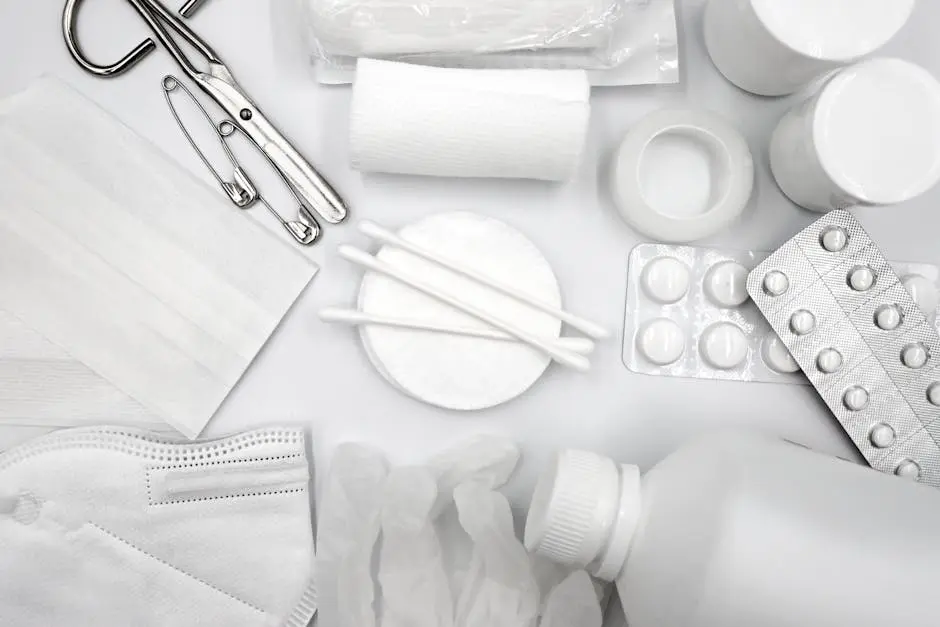
In our busy lives, minor injuries are an inevitable part of everyday life. Whether it’s a scrape from a fall or a sprain from an unexpected twist, knowing how to care for these injuries can help you heal quickly and effectively. Your local clinic is a great resource for addressing these common issues. In this blog, we’ll guide you through easy solutions for minor injuries that you can tackle with confidence.
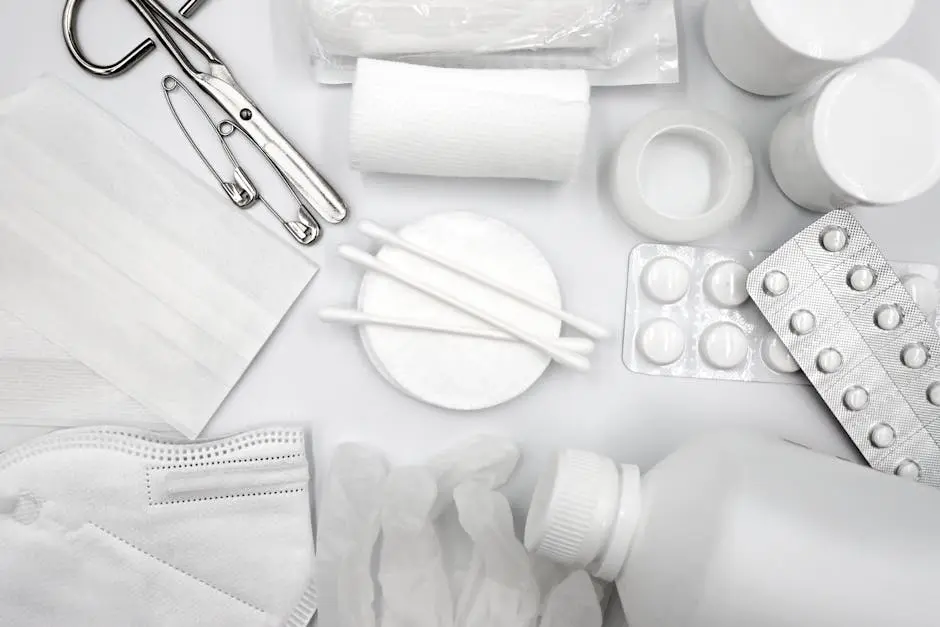
Understanding Minor Injuries
First, let’s define what constitutes a minor injury. These can include cuts, bruises, sprains, and strains that typically don’t require extensive medical intervention. Understanding the nature of these injuries can help you respond appropriately.
It’s essential to recognize minor injuries because they often happen when you least expect them. For instance, a simple slip while walking could result in a sudden twist of your ankle—something that’s both common and typically manageable at home. By familiarizing yourself with these injuries, you’ll be better prepared to handle them and determine when it’s appropriate to seek further assistance.
Minor injuries may seem inconsequential, but they can cause significant pain and discomfort. Learning how to evaluate their severity is crucial. While some injuries may heal swiftly with basic care, others might require more attention. Thus, recognizing the difference between a minor injury and something that could lead to complications is critical for your well-being.
Common Types of Minor Injuries
You may encounter various types of minor injuries in your daily life. Here we’ll discuss the most common ones, such as small cuts, abrasions, and minor burns, and provide tips on how to identify them.
First on the list are cuts. These can range from tiny nicks to deeper wounds that might require a bandage. Inspecting the cut for any debris or signs of infection is essential. Another common injury is an abrasion, commonly referred to as a scrape. These injuries usually occur when the skin grazes against a rough surface, such as asphalt or carpet, and can be quite painful.
Minor burns also rank high on the list of injuries we encounter. Whether from hot liquids or friction, these injuries can leave lasting sensations of discomfort. Understanding the difference between first-degree burns, which affect only the outer layer of skin, and more severe burns will empower you to manage their treatment effectively.
Finally, we have sprains and strains. Sprains involve the stretching or tearing of ligaments, usually around a joint, while strains pertain to muscles or tendons. Knowing the symptoms—like swelling or limited movement—can help you make informed decisions about your immediate care options.
First Aid Tips for Quick Relief
Knowing basic first aid can make a significant difference when addressing minor injuries. From cleaning a wound to applying ice to reduce swelling, we’ll cover essential steps that can be taken immediately.
The first step in treating a minor injury is to assess the situation calmly. Taking a deep breath, you can begin by cleaning the affected area. For cuts and scrapes, washing with soap and water is crucial to prevent infections. After cleaning, apply an antibiotic ointment and cover the wound with a sterile bandage to keep it protected.
For injuries like sprains, the R.I.C.E method—Rest, Ice, Compression, Elevation—comes highly recommended. Resting the injured area prevents further damage, while applying ice wrapped in a cloth can help reduce swelling and numb pain. Compression with a bandage supports the injury, and elevating the affected limb above the heart aids in circulation and healing.
Don’t underestimate the power of simple home remedies, either! A poultice of honey might promote healing for minor burns, while aloe vera is well-known for soothing skin irritations. These easy solutions can provide comfort and accelerate your recovery without requiring a visit to the clinic.
When to Visit Your Local Clinic
While many minor injuries can be managed at home, there are times when it’s crucial to seek professional help. This section explores red flags that indicate a visit to your local clinic is necessary.
If you experience swelling that doesn’t subside, discoloration, or extreme pain, it’s time to consult a healthcare professional. Additionally, if a cut is deeper than an inch or shows signs of infection—such as redness, warmth, or pus—prompt medical attention is crucial for proper treatment.
It’s also important to trust your instincts; if something feels off about your injury or recovery is not progressing as expected, don’t hesitate to visit your local clinic. Remember, the clinic is equipped to handle even the most common situations effectively and informs you about proper care beyond quarantine.
Certain populations, such as children or the elderly, may require more immediate care for minor injuries due to their increased vulnerability. For these individuals, erring on the side of caution can prevent more serious complications down the line.
Preventing Minor Injuries
Prevention is key! Here, we’ll share some simple strategies aimed at minimizing the risk of accidental injuries in everyday activities, helping you stay safe and active.
Firstly, ensure that your living spaces are free of hazards. Keeping floors clear of obstacles and using non-slip mats can greatly reduce the risk of falls. It’s important to be mindful of your surroundings, especially in busy or cluttered environments where accidents are more likely to occur.
Another preventive step is to wear appropriate protective gear during activities such as biking, skating, or participating in sports. Helmets, knee pads, and other safety equipment can save you from minor injuries and give you peace of mind while you enjoy your favorite hobbies.
Lastly, maintaining strong muscles through regular exercise can improve balance and coordination, significantly lowering the risk of sprains and strains. Consider working on flexibility and strength through yoga or pilates—simple changes can lead to a safer lifestyle.
Utilizing Clinic Resources Effectively
Local clinics offer a wealth of resources for minor injuries, from consultations to supplies. Learn how to maximize these services to ensure the best care for yourself and your family.
Checking in with your local clinic doesn’t just mean visiting for treatment. Clinics often provide valuable workshops on injury prevention and basic first aid, which can equip you with crucial knowledge. By participating in these programs, you can foster a safer environment for everyone.
Don’t forget that many clinics also have quick access to supplies such as bandages, antiseptics, and ice packs. Purchasing these items directly from a clinic can ensure you have the right tools on hand when an injury occurs.
Lastly, keep an ongoing conversation with your healthcare provider regarding your individual health and injury history. Building a relationship with clinic staff can provide you with tailored advice and ensures you’re informed about the pathways to take in addressing minor injuries.
Wrapping Up Minor Injuries Care
Taking care of minor injuries doesn’t have to be daunting. Armed with the right information and resources from your local clinic, you can manage these common issues with ease. Remember, when in doubt, don’t hesitate to seek professional advice to ensure a smooth recovery.
Get Care When You Need It
Urgent Care Pros® is here to help.
👉 Book an appointment online: https://urcarepros.com/appointments/
👉 Find a location near you: https://urcarepros.com/locations/