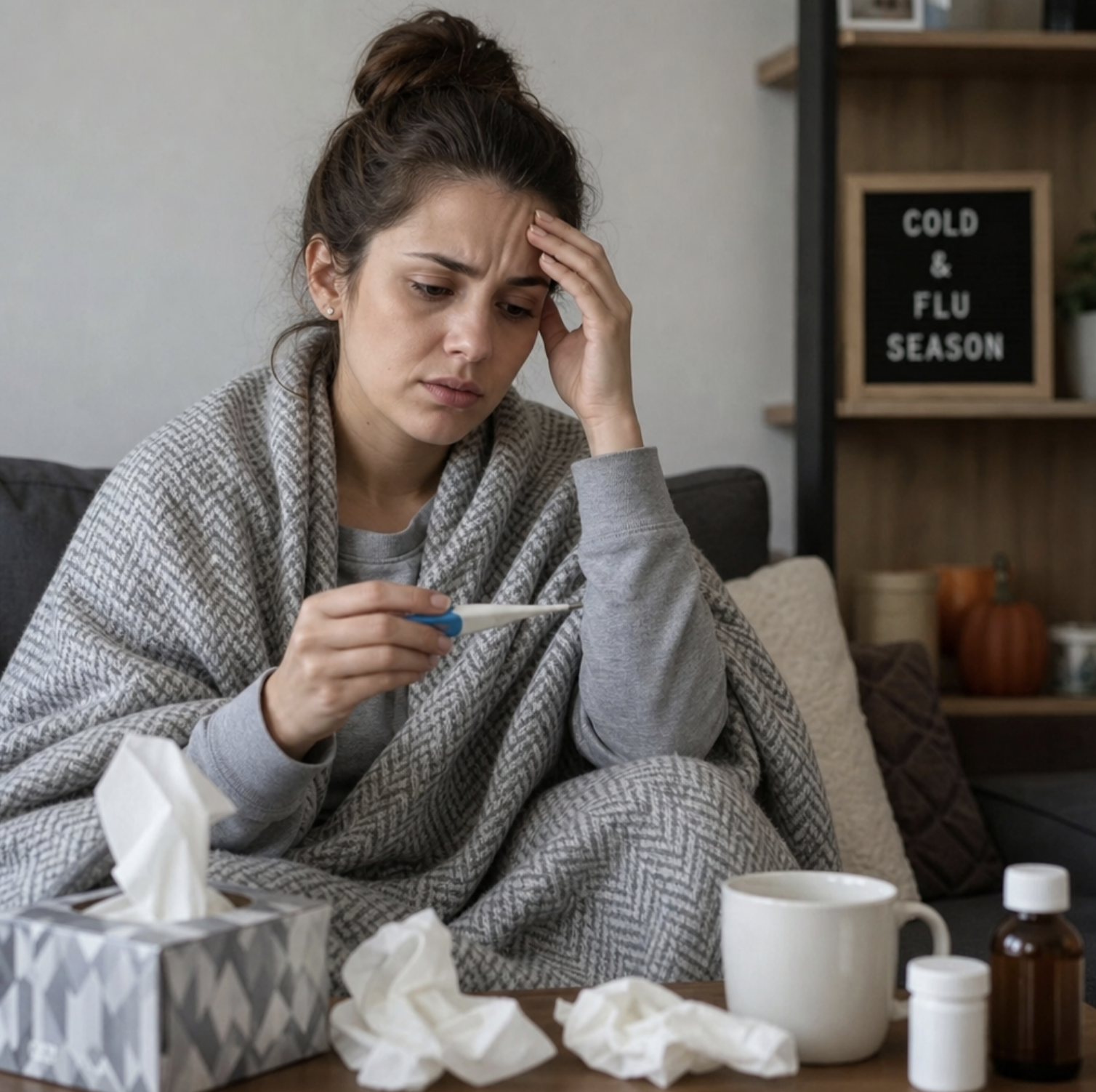
When fall sniffles show up, the question often becomes: Flu, COVID-19, RSV or allergies? When to visit urgent care this fall depends on your symptoms, your risk level, and how quickly things are changing. Many respiratory infections overlap at first, so the goal is not to self-diagnose perfectly—it is to know when home care is enough, when testing may help, and when a same-day medical visit is the safer choice.
Urgent care can be especially helpful for fall illnesses that are uncomfortable, worsening, or hard to identify. A clinician can check your lungs, evaluate fever or dehydration, recommend testing when appropriate, and guide next steps so you are not guessing through another restless night.
What symptoms point to flu, COVID-19, RSV, or allergies?
Flu, COVID-19, RSV, and allergies can all cause congestion, coughing, fatigue, and a generally “run down” feeling, but the pattern often gives useful clues. Flu commonly comes on quickly with fever or chills, body aches, headache, cough, sore throat, and fatigue, while COVID-19 symptoms may appear 2 to 14 days after exposure and can vary from mild congestion to more concerning breathing symptoms. RSV often feels like a cold for many people, but it can worsen asthma, COPD, or other lung conditions, especially in infants, older adults, and people with higher health risks. (cdc.gov)
Seasonal allergies are different because they are not caused by a virus. They often bring sneezing, itchy or watery eyes, runny nose, and congestion, and they usually do not cause fever. If symptoms appear every year around the same season or after exposure to leaves, mold, pollen, or dust, allergies may be part of the picture. (mayoclinic.org)
Here are practical symptom clues to watch:
- Sudden fever, chills, and body aches: more suggestive of flu, though other infections can also cause fever.
- Known exposure plus new respiratory symptoms: worth considering COVID-19 testing, especially before seeing high-risk relatives.
- Wheezing, chest tightness, or worsening asthma symptoms: possible with RSV, flu, COVID-19, or allergies and worth taking seriously.
- Itchy eyes and repeated sneezing without fever: often points more toward allergies.
- Symptoms that keep changing or intensifying: a reason to get medical advice instead of waiting it out.

Urgent care is useful when symptoms need timely attention
Urgent care fall illnesses often fall into a gray area: not always an emergency, but not something you want to ignore. If you have a high fever, persistent cough, worsening sore throat, ear pain, sinus pressure, wheezing, dehydration, or symptoms that are not improving after several days, an urgent care visit can help you understand what is going on and what to do next.
This is especially true when timing matters. For example, flu antiviral treatment is most helpful when started early, and people at higher risk for flu complications are encouraged to seek care promptly. COVID-19 treatment may also be more useful when started early for people at higher risk of severe illness, so waiting too long can limit options. (cdc.gov)
Urgent care may be a good fit if you have:
- A fever that is high, persistent, or returns after improving
- A cough that is worsening, painful, or disrupting sleep
- Shortness of breath with activity, wheezing, or asthma flare symptoms
- Sore throat with swollen glands, fever, or trouble swallowing
- Ear pain, sinus pain, or thick nasal drainage that is not improving
- Vomiting, diarrhea, or signs you are not keeping up with fluids
- A need for flu, COVID-19, RSV, or strep testing based on symptoms and exposure
- A higher-risk condition such as pregnancy, older age, chronic lung disease, heart disease, diabetes, or a weakened immune system
When should you go to the ER instead?
Go to the emergency room or call emergency services for severe breathing trouble, chest pain, bluish lips or face, confusion, fainting, severe dehydration, or symptoms that feel life-threatening. Urgent care is designed for timely evaluation of non-life-threatening problems, but emergency departments are better equipped for serious respiratory distress, severe allergic reactions, and rapidly worsening illness.
For children, extra caution is wise. Seek emergency help for struggling to breathe, ribs pulling in with breaths, extreme sleepiness, dehydration, or any symptom that feels alarming. For babies, older adults, and people with major medical conditions, breathing changes can become serious faster than expected.
If you are unsure, it is better to call ahead or choose the higher level of care. A quick phone call to a medical office, nurse line, or urgent care center can help you decide whether to come in, go to the ER, or monitor symptoms at home.
Testing can clear up the guessing game
Because respiratory infections can look alike, testing may be the only practical way to tell which virus is causing symptoms. CDC notes that influenza viruses, SARS-CoV-2, RSV, and other respiratory viruses often circulate during fall and winter in much of the United States, and combination tests can detect more than one virus from one sample in certain clinical settings. (cdc.gov)
Testing is not always necessary for mild symptoms, but it can matter when results affect treatment, isolation decisions, school or work plans, or protection of vulnerable family members. For example, knowing whether you have COVID-19 before visiting an older relative can change your plans. Knowing whether flu is likely may help a clinician decide whether antiviral medication is appropriate.
Before your visit, write down when symptoms started, whether you had a known exposure, your temperature readings, medications you have taken, and any underlying conditions. That simple list can make the appointment more useful and reduce the chance you forget important details while feeling sick.
Fall health tips that help protect your household
Prevention is not perfect, but it can reduce the odds of getting sick and help limit spread when someone in the home is already coughing. The basics still matter because respiratory viruses often move through families, schools, workplaces, and shared indoor spaces quickly.
Try these fall health tips:
- Stay current on recommended vaccines. Flu, COVID-19, and RSV immunizations may be recommended depending on age, pregnancy status, and health risk, and CDC notes that flu, COVID-19, and RSV vaccines can be given at the same visit when appropriate. (cdc.gov)
- Stay home when feverish or clearly sick. Rest helps recovery, and avoiding close contact helps protect others.
- Use masks thoughtfully. A well-fitting mask can be useful when you are sick, caring for someone sick, or spending time in crowded indoor spaces.
- Wash hands and clean high-touch surfaces. This is simple, but it helps reduce the spread of germs from shared objects.
- Manage allergies early. If fall allergies are predictable for you, starting your usual allergy plan before symptoms spiral may help you avoid confusing allergy irritation with infection.
- Watch high-risk family members closely. Infants, older adults, pregnant people, and those with chronic conditions should not wait as long to seek advice when breathing symptoms appear.
A simple way to decide what to do today
If symptoms are mild, you are breathing comfortably, and you do not have major risk factors, home care may be reasonable at first. Rest, fluids, fever reducers when safe for you, saline spray, humidified air, and avoiding irritants can make a meaningful difference. If allergies are likely, your usual over-the-counter allergy medicine may help, but follow label directions and ask a clinician or pharmacist if you have other conditions or take prescription medications.
Consider urgent care if symptoms are moderate, worsening, confusing, or affecting sleep, breathing, hydration, work, school, or caregiving responsibilities. Also consider being seen if you need documentation, testing, or guidance on whether you are contagious.
Fall brings plenty of normal sniffles, but it also brings viruses that can hit harder than expected. Pay attention to the pattern, respect your risk factors, and do not hesitate to seek care when symptoms move beyond simple home management.
Get Care When You Need It
Urgent Care Pros® is here to help.
👉 Book an appointment online: https://urcarepros.com/appointments/
👉 Find a location near you: https://urcarepros.com/locations/
Fast, compassionate care—right when you need it most.