A sports physical is a simple exam that helps confirm whether a student or athlete is ready to participate safely in school sports, recreational leagues, camps, or training programs. For busy families, walk-in exams can make the process easier by offering a practical option when forms are due soon or schedules are hard to coordinate. If you are looking for sports physicals in Lakewood, it helps to know what the visit includes, what to bring, and when a more detailed follow-up may be needed.
What does a sports physical check?
A sports physical checks for health concerns that could affect safe participation in athletics. It is not meant to replace a regular annual wellness visit, but it does give a clinician a focused look at the athlete’s medical history, current health, and physical readiness for activity.
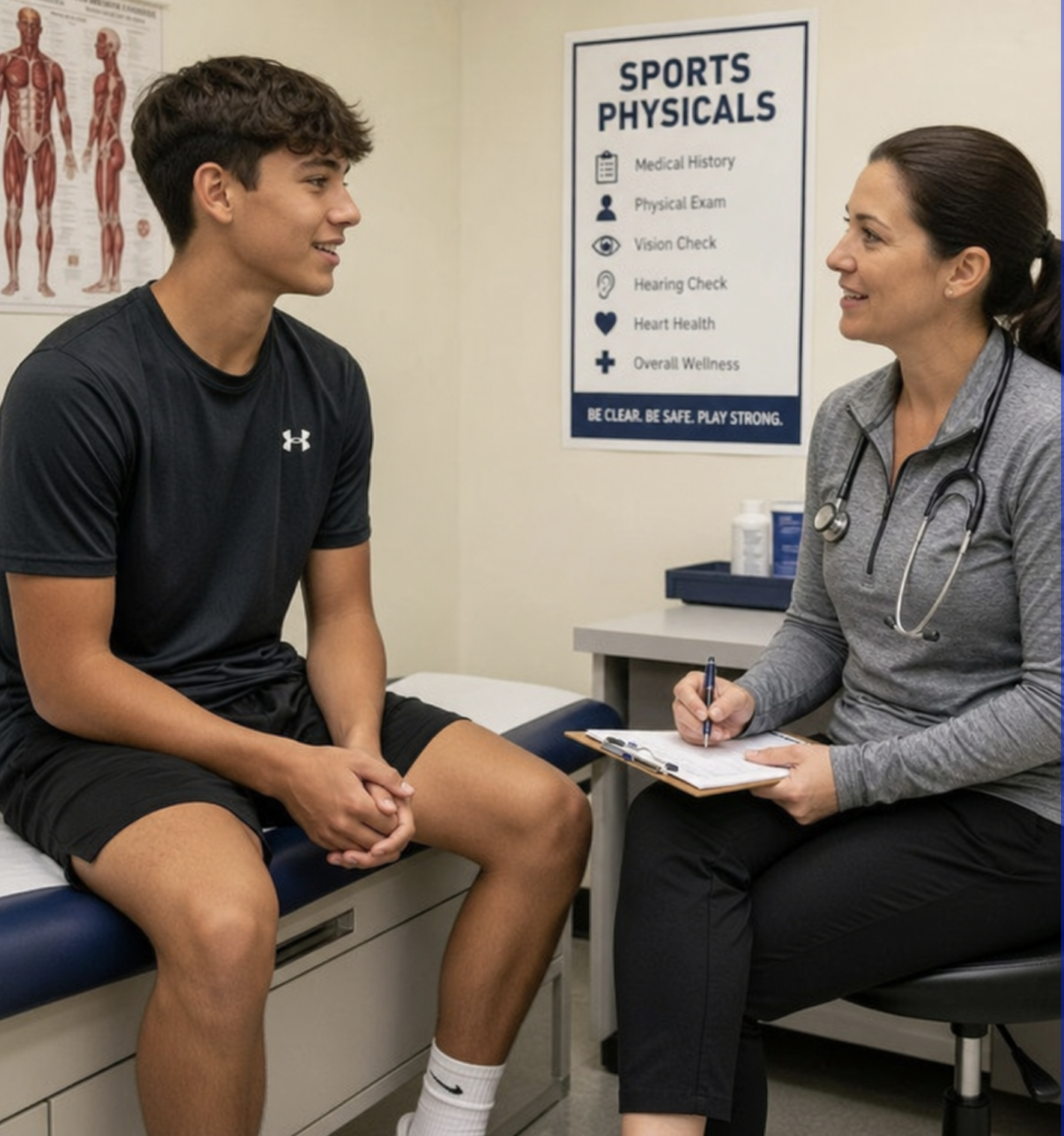
During the exam, the provider usually reviews past illnesses, injuries, medications, allergies, surgeries, and any symptoms that may appear during exercise, such as dizziness, chest discomfort, fainting, shortness of breath, or unusual fatigue. The physical portion may include height, weight, blood pressure, pulse, vision, heart and lung checks, joint movement, posture, strength, flexibility, and signs of previous injury.
The goal is not to keep students away from sports. In most cases, physicals for sports help identify issues early, guide safer participation, and give parents, coaches, and schools the documentation they need.

Why walk-in exams help busy families
School and sports calendars often move quickly. A student may need clearance before tryouts, summer training, a tournament, or the first official practice. Walk-in exams are helpful because they reduce the need to schedule far in advance, especially when paperwork is discovered at the bottom of a backpack the night before it is due.
For families juggling work, school, transportation, and after-school commitments, convenience matters. A walk-in visit can also be useful for students who participate in multiple activities throughout the year, from football and soccer to cheer, wrestling, volleyball, basketball, track, dance, martial arts, and club sports.
That said, it is still smart to avoid waiting until the final deadline if possible. If the clinician finds something that needs more evaluation, such as a heart murmur, unresolved concussion symptoms, uncontrolled asthma, or a lingering injury, the student may need follow-up before clearance is completed. Planning even a few days ahead can prevent stress.
What to bring to the visit
A smooth sports physical starts with the right information. Even a quick visit depends on accurate details, especially because the medical history portion can be just as important as the exam itself.
Bring the following when possible:
- Required school or league forms. Many organizations have specific paperwork that must be completed and signed.
- A parent or guardian, when required. Rules may vary for minors, so it is best to confirm ahead of time.
- Medication list. Include prescriptions, inhalers, over-the-counter medicines, and supplements.
- Medical history details. Note past injuries, surgeries, concussions, hospital visits, allergies, and chronic conditions.
- Vision aids. Bring glasses or contacts if the student uses them.
- Immunization information, if requested. Some programs ask for records separately from the sports clearance form.
- Comfortable clothing. Athletic wear can make movement checks easier.
If the athlete has had chest pain, fainting, seizures, repeated concussions, heat illness, breathing problems, or a major injury, bring any relevant notes from prior care. The more complete the information, the easier it is for the provider to make a safe recommendation.
Sports physicals support more than paperwork
It is easy to think of a sports exam as just another form, but the visit can be a useful checkpoint in a young athlete’s year. Students grow quickly, training demands change, and old injuries can resurface once practices intensify. A focused exam creates space to discuss concerns before the season begins.
For example, a runner with shin pain may need advice on rest, footwear, training load, or follow-up care. A swimmer with exercise-related breathing issues may need a plan for managing symptoms. A student returning after a concussion may need additional clearance beyond a routine exam. These conversations can help prevent small problems from becoming season-ending setbacks.
Youth sports physicals can also encourage athletes to speak up about symptoms they might otherwise ignore. Many students do not want to miss practice or disappoint teammates, so they may downplay pain, dizziness, or fatigue. A direct conversation with a clinician can normalize reporting symptoms early.
When should students get cleared?
Students should ideally complete a sports physical before the season begins, before tryouts, or before starting a new training program. The best timing depends on the school, league, or camp requirements, but families should leave enough room for follow-up if the exam raises a concern.
Many athletes need clearance once per school year or sports year, but forms and expiration rules can vary. Some organizations require a recent exam within a specific timeframe, while others have their own medical forms and signatures. Checking the requirement before the visit helps avoid repeat trips.
A student should also be evaluated again if something changes after a previous clearance. New chest pain, fainting, a concussion, a serious sprain, worsening asthma, unexplained shortness of breath, or a major illness can affect safe participation. Clearance is based on the athlete’s current health, not just a form completed months earlier.
Common concerns parents and athletes ask about
Parents often wonder whether a sports physical is the same as a complete checkup. It is not exactly the same. A sports physical focuses on readiness for athletic participation, while an annual wellness visit may include broader preventive care, vaccines, developmental screening, mental health discussion, and long-term health planning.
Athletes may worry that mentioning pain or symptoms will automatically keep them from playing. In reality, the purpose is to understand what is happening and reduce risk. Sometimes the answer is simple guidance, such as stretching, rest, hydration, injury care, or watching symptoms. Other times, the safest next step is follow-up with a primary care provider or specialist.
Families also ask whether walk-in exams are appropriate for all students. They can be a convenient fit for many routine clearances, but they are not a substitute for emergency care or ongoing management of complex conditions. If an athlete has severe symptoms, sudden chest pain, trouble breathing, loss of consciousness, or a serious injury, urgent or emergency evaluation may be necessary.
Practical ways to prepare before the season
A sports physical is one part of getting ready. Families can also use the start of a season as a chance to reset healthy routines and reduce avoidable risks.
Consider these preparation steps:
- Review the athlete’s history together. Ask about pain, dizziness, breathing trouble, headaches, fatigue, or injuries from the previous season.
- Check equipment early. Shoes, braces, mouthguards, helmets, pads, and protective gear should fit properly and match the sport’s requirements.
- Build training gradually. Jumping from inactivity into intense practices can increase the chance of overuse injuries.
- Prioritize sleep and recovery. Young athletes need time to rest, especially when balancing school, travel, and multiple sports.
- Plan for hydration and heat. Outdoor practices can be demanding, and students should know how to recognize warning signs of heat illness.
- Keep communication open. Encourage athletes to tell a parent, coach, trainer, or clinician when something feels wrong.
These steps do not guarantee an injury-free season, but they create a stronger foundation. They also help students see health as part of performance, not a barrier to it.
What happens if follow-up is recommended?
If a clinician does not clear an athlete right away, it does not always mean the student is out for the season. It usually means more information is needed before participation can be considered safe. The provider may recommend seeing a primary care clinician, cardiologist, orthopedic specialist, eye doctor, or another appropriate professional depending on the concern.
Common reasons for follow-up may include unresolved injuries, concussion symptoms, abnormal blood pressure readings, breathing concerns, heart-related symptoms, vision problems, or a medical history that needs closer review. In some cases, the athlete may be cleared after additional documentation or treatment. In others, temporary restrictions may be recommended while the issue is addressed.
This step can be frustrating when an athlete is eager to play, but it is an important safety measure. The goal is to protect the student while helping them return to activity when it is appropriate.
Making the visit easier for students
For younger athletes, the idea of a physical exam can feel intimidating. Parents can help by explaining that the visit is usually straightforward and focused on making sure their body is ready for sports. It may involve questions, basic measurements, listening to the heart and lungs, checking movement, and reviewing the form.
Teen athletes may appreciate privacy for part of the conversation, especially if they have symptoms they are embarrassed to mention. A supportive approach helps them answer honestly. Remind them that accurate information matters more than giving the “right” answer.
It also helps to bring the completed history section of the form, if available. Families should avoid guessing about medical history when possible. If details are unclear, it is better to say so than to leave out something important.
A simple step toward a safer season
Sports offer students a chance to build confidence, friendships, discipline, and healthy habits. A preseason exam is a practical step that supports those benefits by identifying concerns before activity becomes more intense. Whether your student plays competitively or joins a recreational team for fun, clearance helps everyone start with better information.
For families comparing options for sports physicals Lakewood, walk-in availability can make the process more manageable. Bring the required forms, share a complete health history, and ask questions during the visit. A little preparation can make the exam faster, clearer, and more useful for the student athlete.
If your student needs a sports clearance soon, consider a walk-in exam and give yourself enough time before the first practice, tryout, or deadline. The right visit can do more than complete a form; it can help your athlete begin the season with confidence and a safer plan for participation.
Get Care When You Need It
Urgent Care Pros® is here to help.
👉 Book an appointment online: https://urcarepros.com/appointments/
👉 Find a location near you: https://urcarepros.com/locations/
Fast, compassionate care—right when you need it most.