Urgent care is built for the moments when you need medical attention soon, but not always through an emergency room. Pre-check-in makes that visit smoother by letting you share basic information before you arrive, so the clinic can prepare and you can spend less of your time filling out forms. It does not replace medical evaluation, but it can make the front-end experience feel more organized, predictable, and patient-friendly.
What does pre-check-in for urgent care actually do?
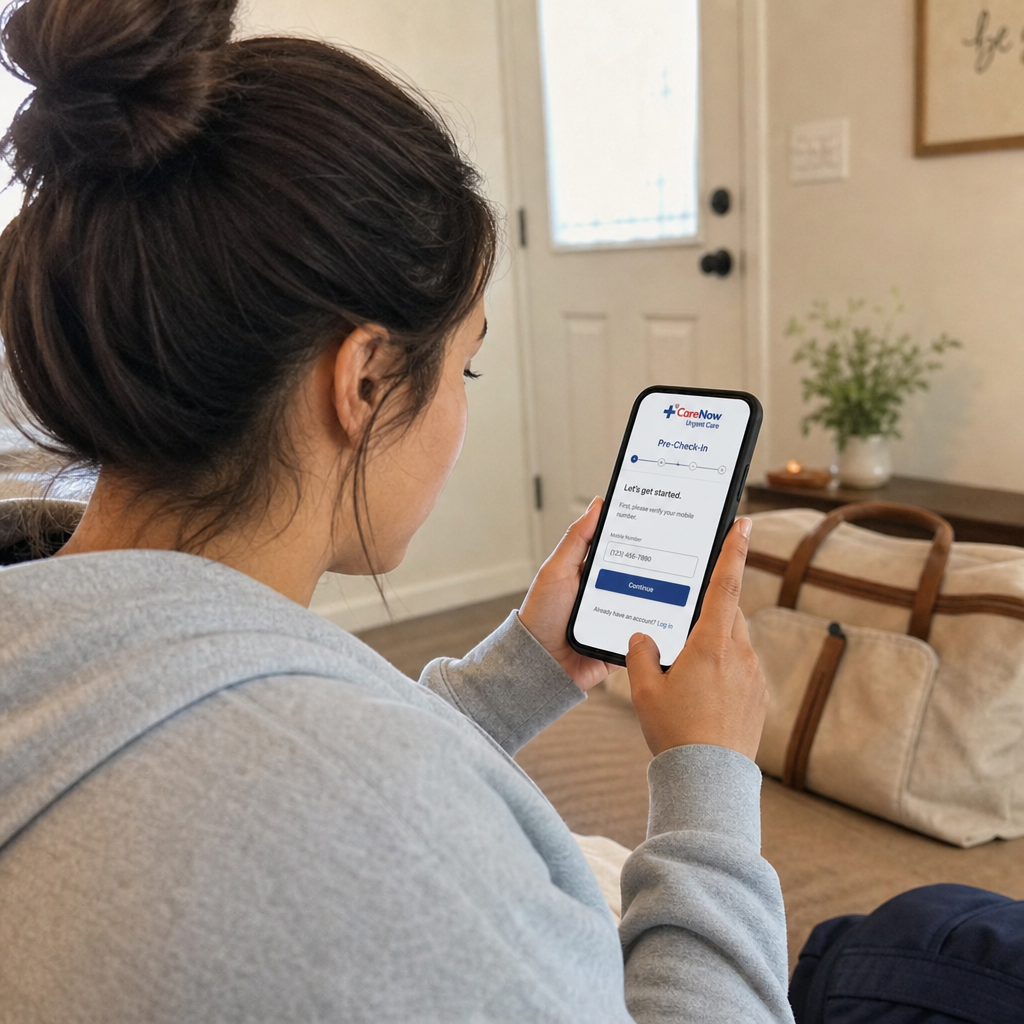
Pre-check-in for urgent care lets a patient begin the registration process before walking through the clinic doors. In many settings, that means entering contact details, insurance information, reason for visit, medical history updates, and consent forms through a phone, computer, or patient portal. If you are searching for “Pre-check-in for urgent care: benefits and how it works,” the short answer is this: it moves the administrative part of the visit earlier, so the in-person visit can focus more quickly on care.
A traditional patient check-in often happens all at once at the front desk. You arrive, explain why you are there, hand over identification and insurance details, complete forms, and wait while staff review everything. Pre-check-in breaks that process into a more convenient sequence. You can complete information from home, from work, or while someone else is driving you to the clinic.
This is especially helpful when you are already uncomfortable, caring for a sick child, or trying to fit care into a busy day. Nobody enjoys searching for insurance cards, medication names, or allergy details while sitting in a waiting room. Pre-check-in gives you a calmer moment to provide more accurate information.
The biggest urgent care pre-check-in benefits
The most practical urgent care pre-check-in benefits are convenience, better preparation, and a smoother arrival. While every clinic’s workflow is different, the goal is usually the same: reduce avoidable friction before the patient is seen.
Here are some of the key ways it can help:
- Less paperwork at the front desk: You may still need to confirm details when you arrive, but much of the basic information can already be submitted.
- A clearer reason for visit: Sharing symptoms or concerns in advance helps staff understand why you are coming in.
- More accurate patient information: Completing forms when you are not rushed can reduce errors in phone numbers, medication lists, allergies, and insurance details.
- A more predictable arrival: Instead of starting from zero at the desk, you may be able to move through the opening steps more efficiently.
- Less stress for families: Parents, caregivers, and patients managing multiple responsibilities can handle details before the visit becomes hectic.
These urgent care benefits matter because small delays feel much bigger when someone is in pain, worried, or managing a packed schedule. Pre-check-in does not guarantee that you will be seen instantly, because urgent care teams still need to prioritize patients based on clinical needs and available staff. But it can remove some of the non-medical delays that make a visit feel longer than necessary.
How the process usually works
The exact steps depend on the clinic, but most pre-check-in systems follow a similar pattern. You begin by choosing a location, starting a visit request, or opening a link provided by the urgent care center. From there, you enter information that helps the team register you and prepare for your arrival.
A typical process may include:
- Select the clinic or visit type. You may choose the urgent care location closest to you or the reason for your visit.
- Enter patient details. This often includes name, date of birth, contact information, and sometimes a preferred pharmacy.
- Add insurance or payment information. Some clinics ask for a photo of an insurance card or basic coverage details.
- Describe symptoms or the reason for care. A short description can help staff understand the visit before you arrive.
- Review medical history prompts. You may be asked about allergies, medications, ongoing conditions, or recent changes.
- Sign required forms. Consent, privacy, or financial responsibility documents may be available digitally.
- Arrive and confirm information. Once at the clinic, staff may verify your identity and complete any remaining steps.
This process keeps the patient check-in experience from becoming a bottleneck. It also helps patients feel more prepared because they know what information the clinic may need.
Does pre-check-in mean you skip the wait?
Pre-check-in does not always mean you skip the wait, and it is better to understand it as a preparation tool rather than a promise of immediate service. Urgent care centers often see patients with different levels of need, and clinical urgency can affect the order in which people are evaluated. A patient with more serious symptoms may need attention sooner, even if someone else checked in first.
That said, pre-check-in can still save time in meaningful ways. If your forms, identification, insurance details, and reason for visit are already submitted, the clinic may have fewer administrative steps to complete after you arrive. Even when there is a wait, you are less likely to spend that time juggling forms or repeating basic information.
Think of it like getting ready before going through airport security. You still have to follow the process, but having your documents ready makes the experience smoother. In urgent care, that smoother process can make a stressful day feel more manageable.
When pre-check-in is especially useful
Pre-check-in is helpful for many routine urgent care visits, but it can be especially valuable in situations where time, comfort, or accuracy matters. If you are taking a child to be seen, completing details beforehand can free your attention for comforting them. If you are feeling unwell yourself, it can reduce the amount of thinking and typing you need to do once you arrive.
It is also useful when you need to gather information from multiple places. For example, you may want to confirm a medication name, check an insurance card, look up a preferred pharmacy, or ask a family member about medical history. Doing this before arrival can lead to a more complete visit record.
Pre-check-in may be a good idea for visits involving:
- Minor injuries such as sprains, cuts, or mild burns
- Cold, flu, sore throat, cough, or sinus symptoms
- Ear pain or eye irritation
- Urinary symptoms
- Mild allergic reactions or rashes
- School, sports, or work-related forms, when offered by the clinic
Of course, urgent care is not the right setting for every health concern. Chest pain, severe breathing trouble, stroke-like symptoms, major trauma, or other potentially life-threatening issues should be treated as emergencies. When in doubt, seek emergency help.
Tips for a smoother pre-check-in experience
A few simple habits can make pre-check-in even more useful. Start by entering information carefully, especially your name, date of birth, phone number, and insurance details. Small mistakes can create extra work later, even if the system accepted the form.
Before submitting, take a moment to review your symptoms in plain language. You do not need to diagnose yourself. A simple note such as when symptoms started, what has changed, and what you are most concerned about can be more helpful than a long explanation.
It also helps to have these items ready:
- A photo ID, if required
- Insurance card or payment information
- Current medications and doses, if known
- Allergy information
- Preferred pharmacy
- Relevant forms for school, work, or sports
- A charged phone in case the clinic sends updates or instructions
Finally, arrive with realistic expectations. Pre-check-in supports a smoother visit, but the care team still needs to evaluate patients safely and respond to changing clinic volume.
A smarter start to urgent care
Pre-check-in is a simple step that can make urgent care feel less rushed and more organized. By handling basic registration before arrival, patients can reduce paperwork, improve information accuracy, and help the clinic prepare for the visit.
The next time you need same-day care for a non-emergency concern, check whether your urgent care center offers pre-check-in. A few minutes before you leave may make the whole visit easier from the moment you walk in.
Get Care When You Need It
Urgent Care Pros® is here to help.
👉 Book an appointment online: https://urcarepros.com/appointments/
👉 Find a location near you: https://urcarepros.com/locations/
Fast, compassionate care—right when you need it most.