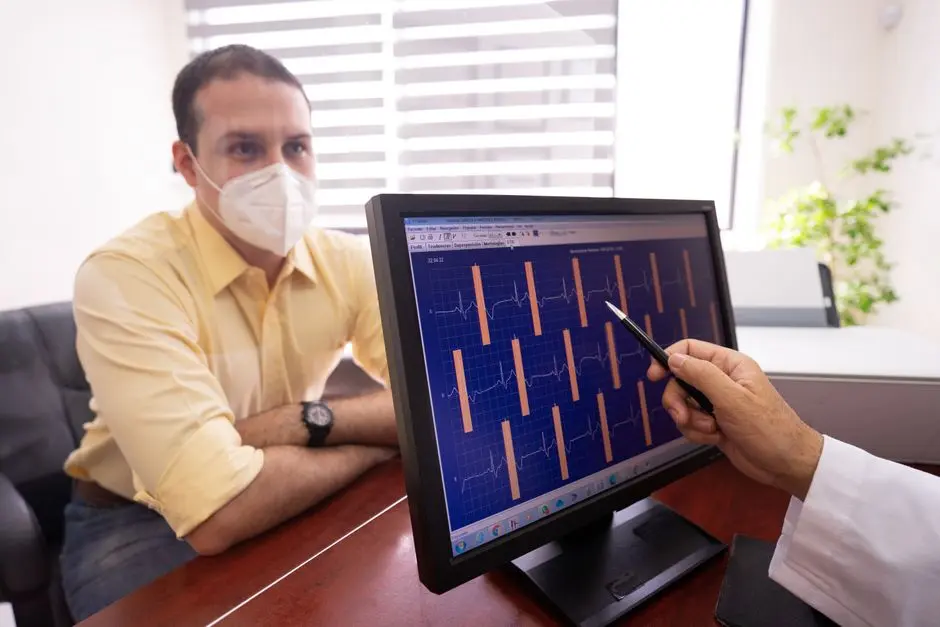
In today’s fast-paced work environment, prioritizing health is more crucial than ever. Regular screenings can serve as the cornerstone of a healthy workplace, paving the way for increased well-being and productivity. In this article, we’ll explore seven effective strategies to enhance workplace health through regular screenings, ensuring that both employees and employers benefit from proactive health measures.
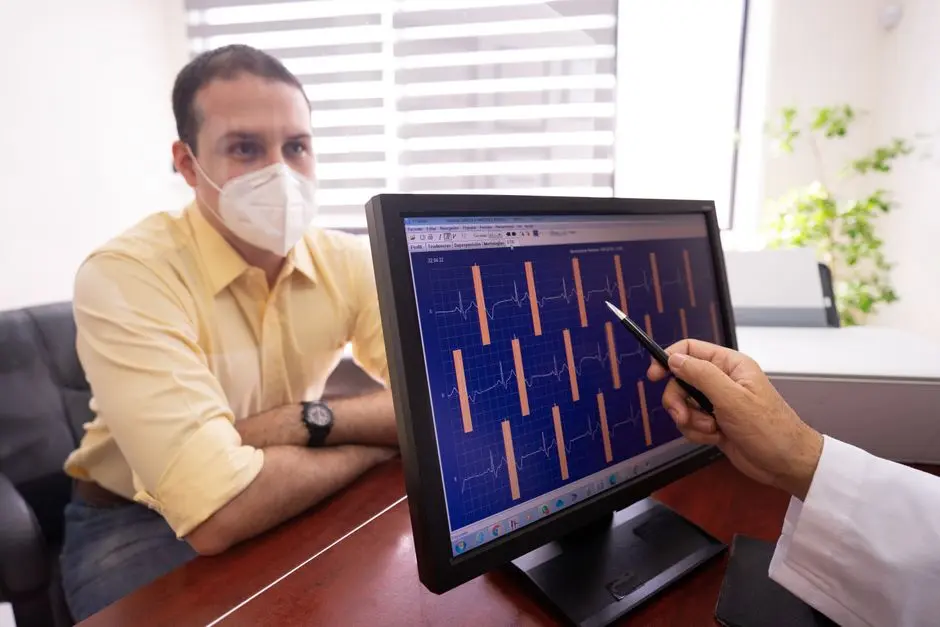
1. Understanding the Importance of Regular Screenings
Regular health screenings can identify potential health issues before they become more serious. Understanding this importance sets the foundation for a healthier workplace.
They serve not only as a safety net but also act as an early warning system. By catching illnesses in their early stages, companies can avoid expensive medical treatments in the future. This can lead to significant cost savings over time.
Furthermore, these screenings can lead to the development of healthier lifestyle choices among employees. When workers see their health metrics — like cholesterol levels or blood pressure — they may feel inspired to make positive changes, benefiting both their personal lives and the work environment.
2. Implementing Comprehensive Health Assessments
Often, comprehensive health assessments can provide a detailed picture of employees’ health. This allows for personalized recommendations and better management of health risks.
These assessments can include various screenings, from basic health checks to more extensive tests that evaluate metabolic, cardiovascular, and even mental health. The broader the range of assessments, the more effectively an organization can address the diverse health needs of its workforce.
When assessments are well-designed, they not only assess current health status but also take a proactive approach in predicting future health risks. This foresight allows employees and employers alike to formulate tailored strategies that cater specifically to individual and organizational health goals.
3. Encouraging Employee Participation
Engaging employees in the screening process can enhance participation rates. Offering incentives or creating a friendly competition can motivate employees to get involved.
For instance, offering small rewards for participation can spark interest and encourage even the most hesitant employees to join in. Additionally, sharing success stories or testimonials from employees who have benefited from screenings can inspire others to take action.
Moreover, ensuring that screenings are scheduled at convenient times and locations can play a crucial role in boosting participation. When employees see that their organization genuinely cares about their well-being, they are more likely to reciprocate that interest.
4. Providing Education and Resources
Educating employees about what screenings are available and why they matter can empower them to take charge of their health. Provide resources to make the process easy and accessible.
Effective communication about the benefits of screenings can demystify the process and minimize fear or anxiety that some employees might feel. In fact, informative workshops, brochures, or even digital newsletters can serve as excellent tools to relay this information.
In addition, equipping employees with knowledge about their health outcomes allows them to make informed decisions. This kind of resource accessibility not only empowers individuals but also fosters a culture of health within the organization.
5. Creating a Supportive Environment
A workplace that supports health initiatives fosters positive habits. Encouraging a culture of health can make employees feel safe and motivated to participate in screenings.
Leaders play a pivotal role in this aspect. When managers and supervisors openly advocate for health screenings and share their own experiences, it sets a precedent that encourages participation across the board.
Moreover, creating designated health days where employees can take part in screenings without the pressure of workload can demonstrate support. Simple gestures like providing healthy snacks during these events can help promote a more health-conscious atmosphere.
6. Leveraging Technology for Convenience
Using technology, such as online scheduling and telehealth options, can simplify the screening process for employees, making it more appealing to participate.
Accessibility is key. With busy work schedules, the ability to book appointments online or participate in virtual screenings removes barriers that often prevent employees from seeking necessary health checks.
Additionally, utilizing health apps can help track employees’ health metrics and advancements over time. This ongoing engagement can foster a greater commitment to personal health that translates into better workplace productivity.
7. Regularly Reviewing and Adjusting Your Health Programs
Regularly reviewing the outcomes of health screenings and adjusting programs accordingly ensures that they remain effective in meeting the needs of employees and the organization.
This process of evaluation should involve collecting feedback from employees, thereby respecting their voices and perspectives. By incorporating their suggestions, organizations can tailor programs that genuinely resonate with their workforce.
Additionally, staying informed about the latest health trends and technologies helps keep the health initiatives current and relevant, ultimately maximizing the benefits for both employees and the organization as a whole.
Get Care When You Need It
Urgent Care Pros® is here to help.
👉 Book an appointment online: https://urcarepros.com/appointments/
👉 Find a location near you: https://urcarepros.com/locations/