In today’s fast-paced healthcare environment, providing high-quality patient care during urgent situations is more crucial than ever. This blog explores various strategies and systems that can improve urgent treatment processes, ensuring patients receive the attention they need without unnecessary delays.
Understanding the Importance of Timely Care
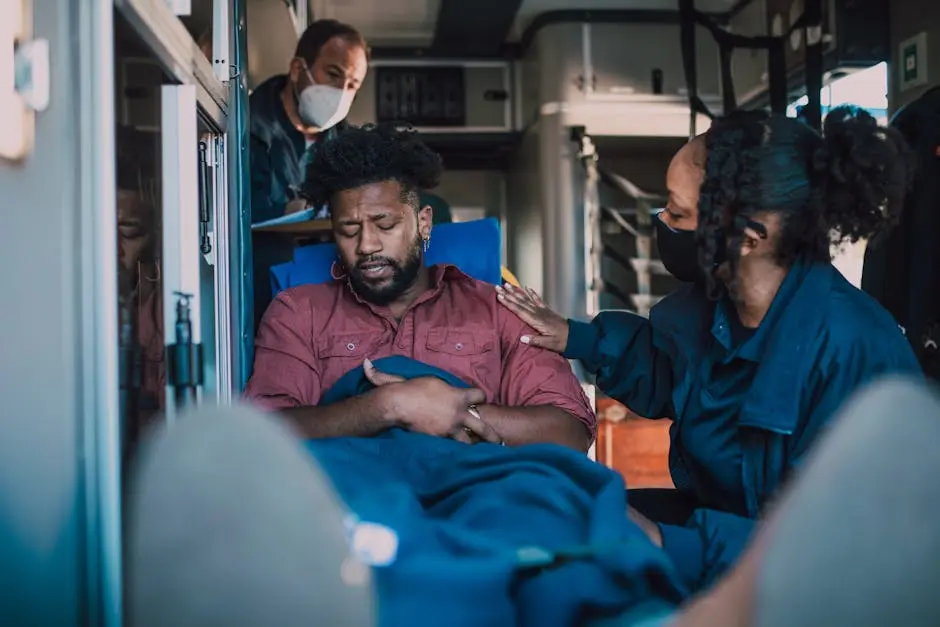
Timely medical attention can be life-saving. This section discusses how early intervention in urgent cases drastically improves recovery rates and patient satisfaction. When a patient arrives at an emergency room, every minute can mean the difference between life and death. Research has shown that reducing the time from injury to treatment can dramatically affect outcomes. By prioritizing timely care, healthcare facilities can not only save lives but also enhance the patient experience.
Additionally, understanding the patient’s perspective is crucial. Patients who feel they are receiving prompt attention are often less anxious, resulting in better cooperation and compliance during treatment. Hence, it’s a win-win situation. So, let’s dive deeper into the elements that make timely care so essential in today’s healthcare landscape.
Streamlining the Triage Process
Efficient triage ensures that patients are prioritized based on the severity of their condition. We’ll explore how simplifying triage protocols can enhance patient flow and reduce wait times. Streamlining the triage process can alleviate bottlenecks often experienced in emergency departments. A well-organized triage system not only benefits patients with severe conditions but also optimizes resources, allowing healthcare staff to focus on delivering quality care.
For instance, implementing a fast-track system for less critical patients can significantly decrease overall waiting times. This means that patients who don’t require immediate life-saving interventions are still treated quickly, while those who do receive prompt, focused attention. Results from various hospitals indicate that a restructured triage system can lead to increased patient satisfaction and better health outcomes.
Moreover, staff training on the latest triage protocols can empower team members, ensuring that everyone is aligned and working towards a common goal: exceptional patient care.
Integrating Technology for Better Outcomes
From telemedicine to electronic health records, technology plays a pivotal role in urgent treatments. Here, we highlight the latest tech innovations that are revolutionizing patient care. The advent of telemedicine, especially in urgent care scenarios, allows healthcare providers to assess and treat patients remotely. This can significantly speed up processes, especially for those who might otherwise face long waits. Patients can consult with specialists without the stress of traveling, providing convenience and peace of mind.
Beyond telemedicine, the integration of electronic health records (EHRs) plays an equally vital part. Quick access to a patient’s medical history ensures that no critical information is overlooked during treatment. Furthermore, EHRs facilitate better communication among different parts of the healthcare system, ensuring that all team members are on the same page. The result? A more cohesive approach to patient care during urgent situations.
Enhancing Communication Among Care Teams
Effective communication among healthcare providers is essential for quality patient care. This section focuses on strategies to improve communication and teamwork in urgent treatment scenarios. One common pitfall in urgent care environments is the breakdown of information transfer among team members. To combat this, implementing structured communication platforms can ensure that critical information is shared seamlessly.
Regular briefings and debriefings can foster a culture of open communication, encouraging team members to speak up about concerns or highlight important patient information. Moreover, cultivating a trusting environment where every voice is valued can lead to quicker decision-making and, ultimately, better patient outcomes.
Patient Empowerment and Education
Educating patients about their conditions and treatment options fosters empowerment. We’ll discuss the impact of patient education on timely decision-making within urgent care. When patients understand their diagnoses and the potential treatment paths, they are more likely to participate actively in their care. This collaboration can lead to faster decisions, especially in urgent scenarios where informed choices are critical.
Moreover, providing patients with resources— such as pamphlets or digital tools— empowers them to make decisions even after leaving the healthcare setting. An informed patient is not just a passive recipient of care; they become an active participant in their health journey, which is particularly vital during urgent treatment.
Urgent care centers can be a huge help when you need medical attention quickly. However, there are some insights your medical staff would love for you to know to make your visit smoother and more effective. Here are seven things your medical staff wishes you understood about urgent care.
1. Understanding Wait Times
One of the most common frustrations in urgent care is the wait time. Your medical staff wants you to know that these times can vary widely based on patient volume and the complexity of cases being handled at the moment.
It’s essential to remember that while you might feel like you’re waiting forever, others may require more immediate assistance. The staff prioritizes based on urgency, which means sometimes a less serious case may wait longer than a more severe one. So, if you see others being called in ahead of you, it’s likely because their needs are more urgent.
Additionally, certain times of the day can be busier than others. If you can, try to plan your visit during off-peak hours. Early afternoons or late evenings are often less crowded, which may help reduce your waiting time significantly. Understanding these dynamics can alleviate some frustration on your part.
2. Importance of Accurate Patient History
Providing an accurate and thorough medical history is crucial. Your medical staff relies on this information to make informed decisions about your care and to avoid potential complications.
When you arrive, please be prepared to discuss not just your current symptoms but also any past medical conditions, medications you’re on, and allergies you may have. This enables your medical staff to craft a treatment plan tailored specifically to your needs.
Every detail counts—even things that seem minor can greatly influence your care. For instance, a previous reaction to a medication can change which treatment options are available to you. So, taking a moment to think through your medical history can go a long way in ensuring you receive the best care possible.
3. When to Seek Urgent Care
Not every medical issue requires an urgent care visit. Understanding what conditions are best suited for urgent care versus emergency services can save you time and ensure you receive the right level of care.
Urgent care is designed for non-life-threatening conditions such as minor fractures, sprains, colds, or infections. However, if you experience severe symptoms like difficulty breathing, chest pain, or uncontrollable bleeding, it’s crucial to seek emergency medical care immediately.
Before you head to urgent care, a quick mental checklist can also help determine the right course of action. Ask yourself: Is this an urgent issue? Could waiting for your primary care physician be an option? If you’re unsure, calling the urgent care center for guidance can also help clarify your situation.
4. The Role of Telemedicine
Telemedicine is becoming more prevalent in urgent care settings. Your medical staff wishes you knew that virtual visits can be a convenient way to address non-urgent conditions without the need for an in-person visit.
Imagine having a consultation from the comfort of your home! Telemedicine can be especially beneficial for follow-ups or routine issues that don’t necessitate physical examination. It saves you time and allows for quicker access to your medical staff.
Your medical team is equipped with the knowledge and tools to provide a quality experience even through a screen. If you’re uncertain whether to opt for a virtual visit, simply ask the staff when you call to schedule. They can guide you on what’s best for your specific needs.
5. Following Up on Care
Your visit doesn’t end when you leave the urgent care. It’s important to follow up as directed to ensure your condition is improving and to complete any necessary treatments or referrals.
Sometimes symptoms can change, or new ones can appear post-treatment. Keeping an eye on your health afterwards and promptly reporting back to your medical staff can help catch any issues before they escalate. This dialogue isn’t just beneficial for you; it also aids the medical team in refining treatments for future patients.
By participating in your own follow-up care, you also help empower your medical staff to offer better and more personalized care. Remember, your health journey is a partnership!
6. Insurance and Payment Expectations
Understanding your insurance policy and what costs may be incurred during an urgent care visit can alleviate surprises. Your medical staff appreciates when patients are informed about their financial responsibilities.
Each insurance plan can vary significantly, affecting how much you pay out of pocket. If you’re unsure about your coverage, it’s worth taking a moment to reach out to your insurance provider before your visit. This way, you’ll have a clearer idea of what to expect and can avoid unexpected costs.
Your medical staff is there to help walk you through the billing process, as well. If you have questions when it comes to payments or coverage, don’t hesitate to engage with them during your visit. This open line of communication serves you both!
7. The Value of Communication
Open and honest communication with your medical staff can significantly impact your care experience. Let them know about any concerns or preferences you may have.
Whether it’s your preferred method of treatment or fears about a diagnosis, sharing your thoughts can lead to a more tailored approach to your care. Your medical staff appreciates transparency, as it enhances their ability to address your needs effectively.
Moreover, don’t hesitate to ask questions! If you feel unsure about instructions given, or if something isn’t clear, bring it up. The aim is to make you feel comfortable and confident about your care plan, and fostering open dialogue is key to that goal.
Embracing Compassion in Patient Care
Providing compassionate patient care not only improves outcomes for patients, but also creates a more fulfilling work environment for healthcare professionals. By actively listening, showing empathy, and building trusting relationships, we can transform the healthcare experience into one of support and understanding. Let’s prioritize compassion in patient care and continue to make strides towards healing with heart.
Get Care When You Need It
Urgent Care Pros® is here to help.
👉 Book an appointment online: https://urcarepros.com/appointments/
👉 Find a location near you: https://urcarepros.com/locations/
Fast, compassionate care—right when you need it most.