Urgent care centers can be a huge help when you need medical attention quickly. However, there are some insights your medical staff would love for you to know to make your visit smoother and more effective. Here are seven things your medical staff wishes you understood about urgent care.

1. Understanding Wait Times
One of the most common frustrations in urgent care is the wait time. Your medical staff wants you to know that these times can vary widely based on patient volume and the complexity of cases being handled at the moment.
It’s essential to remember that while you might feel like you’re waiting forever, others may require more immediate assistance. The staff prioritizes based on urgency, which means sometimes a less serious case may wait longer than a more severe one. So, if you see others being called in ahead of you, it’s likely because their needs are more urgent.
Additionally, certain times of the day can be busier than others. If you can, try to plan your visit during off-peak hours. Early afternoons or late evenings are often less crowded, which may help reduce your waiting time significantly. Understanding these dynamics can alleviate some frustration on your part.
2. Importance of Accurate Patient History
Providing an accurate and thorough medical history is crucial. Your medical staff relies on this information to make informed decisions about your care and to avoid potential complications.
When you arrive, please be prepared to discuss not just your current symptoms but also any past medical conditions, medications you’re on, and allergies you may have. This enables your medical staff to craft a treatment plan tailored specifically to your needs.
Every detail counts—even things that seem minor can greatly influence your care. For instance, a previous reaction to a medication can change which treatment options are available to you. So, taking a moment to think through your medical history can go a long way in ensuring you receive the best care possible.
3. When to Seek Urgent Care
Not every medical issue requires an urgent care visit. Understanding what conditions are best suited for urgent care versus emergency services can save you time and ensure you receive the right level of care.
Urgent care is designed for non-life-threatening conditions such as minor fractures, sprains, colds, or infections. However, if you experience severe symptoms like difficulty breathing, chest pain, or uncontrollable bleeding, it’s crucial to seek emergency medical care immediately.
Before you head to urgent care, a quick mental checklist can also help determine the right course of action. Ask yourself: Is this an urgent issue? Could waiting for your primary care physician be an option? If you’re unsure, calling the urgent care center for guidance can also help clarify your situation.
4. The Role of Telemedicine
Telemedicine is becoming more prevalent in urgent care settings. Your medical staff wishes you knew that virtual visits can be a convenient way to address non-urgent conditions without the need for an in-person visit.
Imagine having a consultation from the comfort of your home! Telemedicine can be especially beneficial for follow-ups or routine issues that don’t necessitate physical examination. It saves you time and allows for quicker access to your medical staff.
Your medical team is equipped with the knowledge and tools to provide a quality experience even through a screen. If you’re uncertain whether to opt for a virtual visit, simply ask the staff when you call to schedule. They can guide you on what’s best for your specific needs.
5. Following Up on Care
Your visit doesn’t end when you leave the urgent care. It’s important to follow up as directed to ensure your condition is improving and to complete any necessary treatments or referrals.
Sometimes symptoms can change, or new ones can appear post-treatment. Keeping an eye on your health afterwards and promptly reporting back to your medical staff can help catch any issues before they escalate. This dialogue isn’t just beneficial for you; it also aids the medical team in refining treatments for future patients.
By participating in your own follow-up care, you also help empower your medical staff to offer better and more personalized care. Remember, your health journey is a partnership!
6. Insurance and Payment Expectations
Understanding your insurance policy and what costs may be incurred during an urgent care visit can alleviate surprises. Your medical staff appreciates when patients are informed about their financial responsibilities.
Each insurance plan can vary significantly, affecting how much you pay out of pocket. If you’re unsure about your coverage, it’s worth taking a moment to reach out to your insurance provider before your visit. This way, you’ll have a clearer idea of what to expect and can avoid unexpected costs.
Your medical staff is there to help walk you through the billing process, as well. If you have questions when it comes to payments or coverage, don’t hesitate to engage with them during your visit. This open line of communication serves you both!
7. The Value of Communication
Open and honest communication with your medical staff can significantly impact your care experience. Let them know about any concerns or preferences you may have.
Whether it’s your preferred method of treatment or fears about a diagnosis, sharing your thoughts can lead to a more tailored approach to your care. Your medical staff appreciates transparency, as it enhances their ability to address your needs effectively.
Moreover, don’t hesitate to ask questions! If you feel unsure about instructions given, or if something isn’t clear, bring it up. The aim is to make you feel comfortable and confident about your care plan, and fostering open dialogue is key to that goal.
Embracing Compassion in Patient Care
Providing compassionate patient care not only improves outcomes for patients, but also creates a more fulfilling work environment for healthcare professionals. By actively listening, showing empathy, and building trusting relationships, we can transform the healthcare experience into one of support and understanding. Let’s prioritize compassion in patient care and continue to make strides towards healing with heart.
Get Care When You Need It
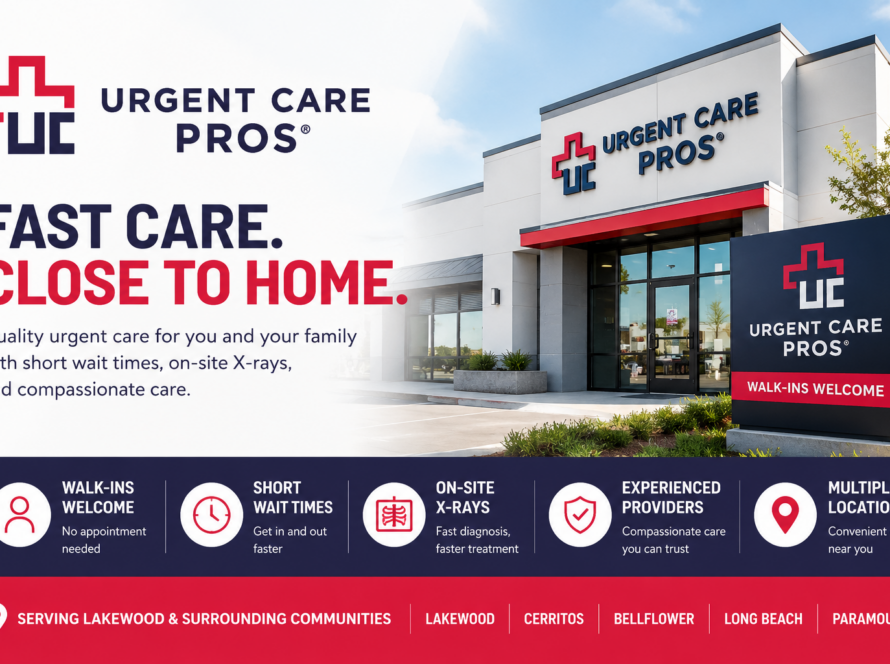
Urgent Care Pros® is here to help.
👉 Book an appointment online: https://urcarepros.com/appointments/
👉 Find a location near you: https://urcarepros.com/locations/
Fast, compassionate care—right when you need it most.
Key Takeaways
- Understanding wait times can help you feel more patient; urgent care prioritizes based on severity.
- Accurate patient history is crucial for quality care, so prepare to discuss your symptoms, medications, and allergies.
- Know when to seek urgent care versus emergency services to ensure appropriate medical attention.
- Telemedicine offers a convenient option for non-urgent issues, saving you time and providing access to care from home.
- Open communication with your medical staff enhances your care experience and helps tailor treatment to your needs.
Estimated reading time: 6 minutes